
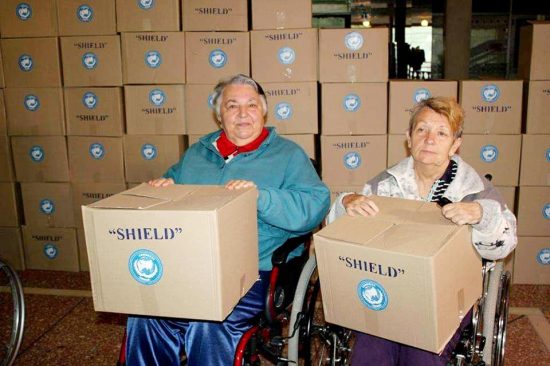
Amid the increasing humanitarian crises worldwide, such as wars, armed conflicts, natural disasters, and pandemics, vulnerable groups like children and the elderly are among the most affected. Many of these individuals live under extremely harsh conditions, making them in urgent need of support and care.
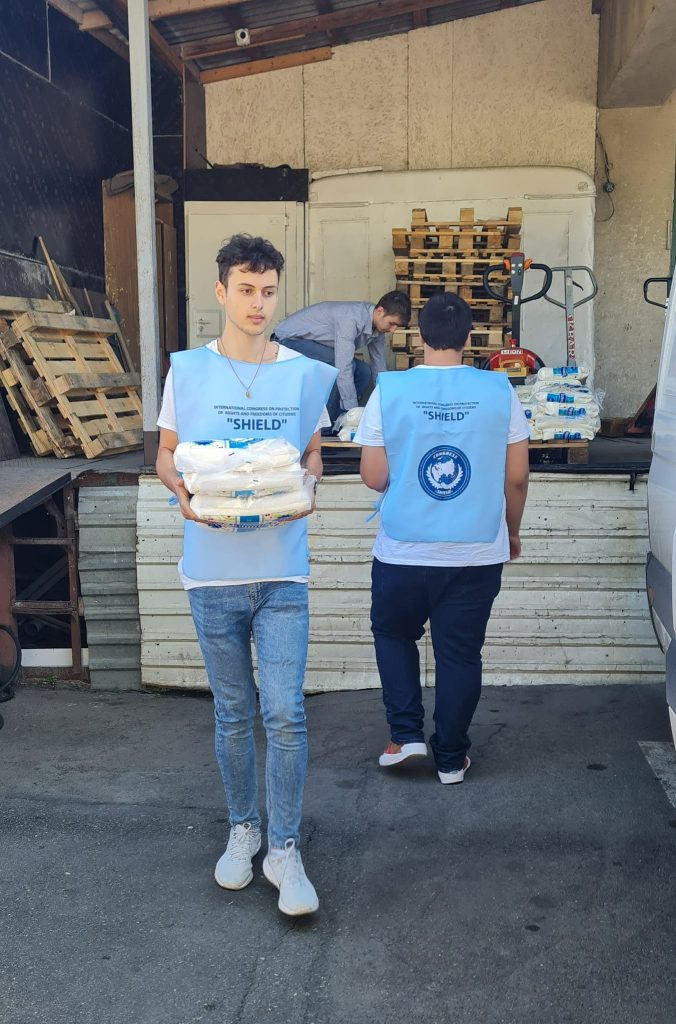
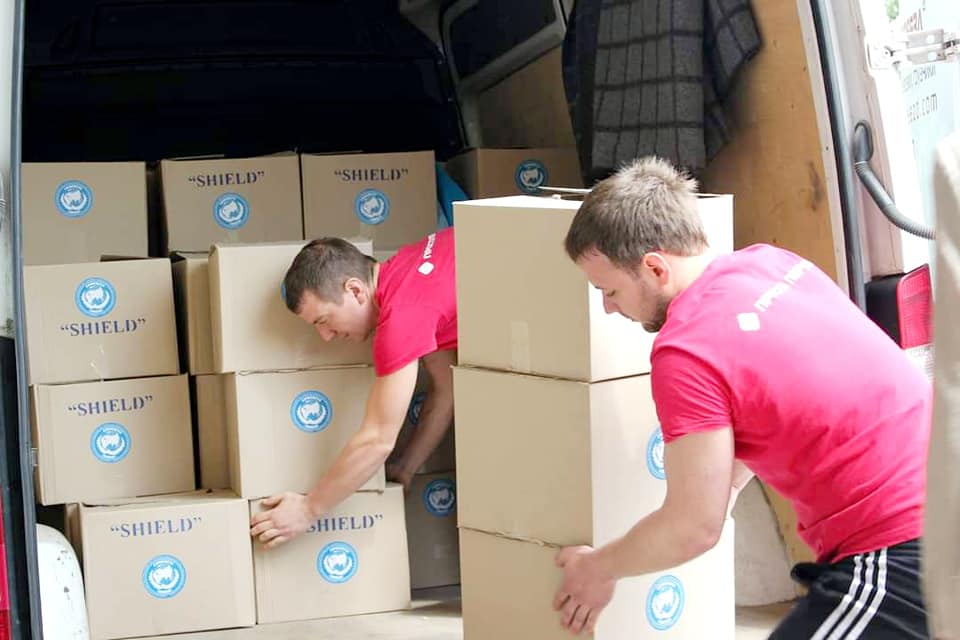
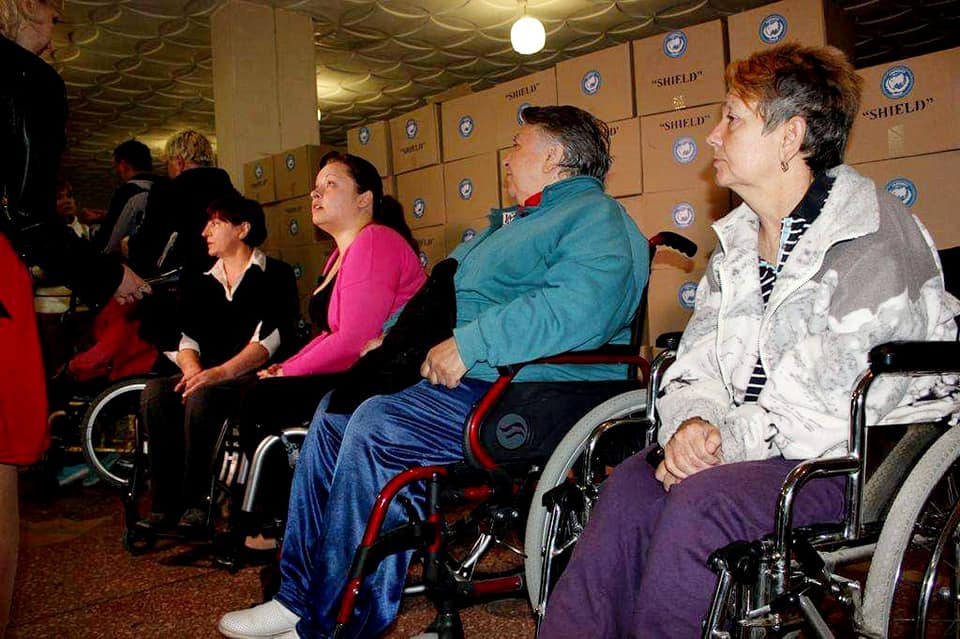
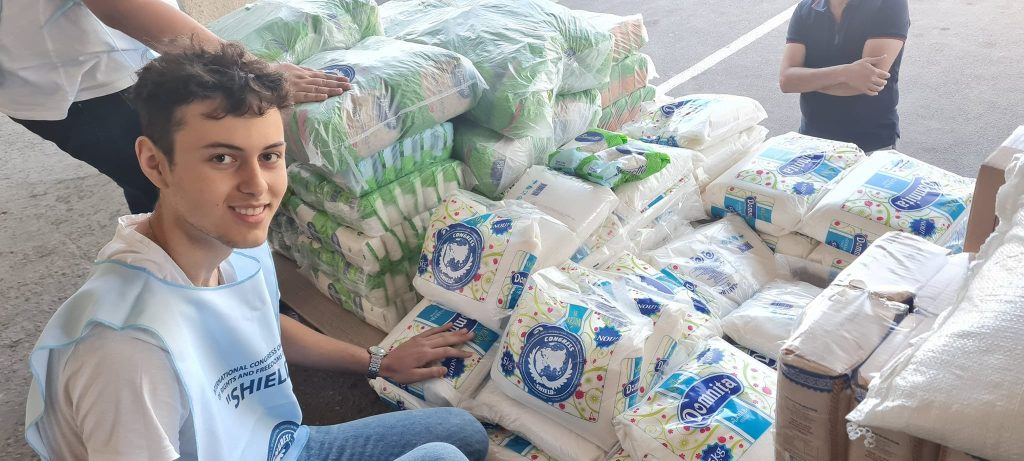
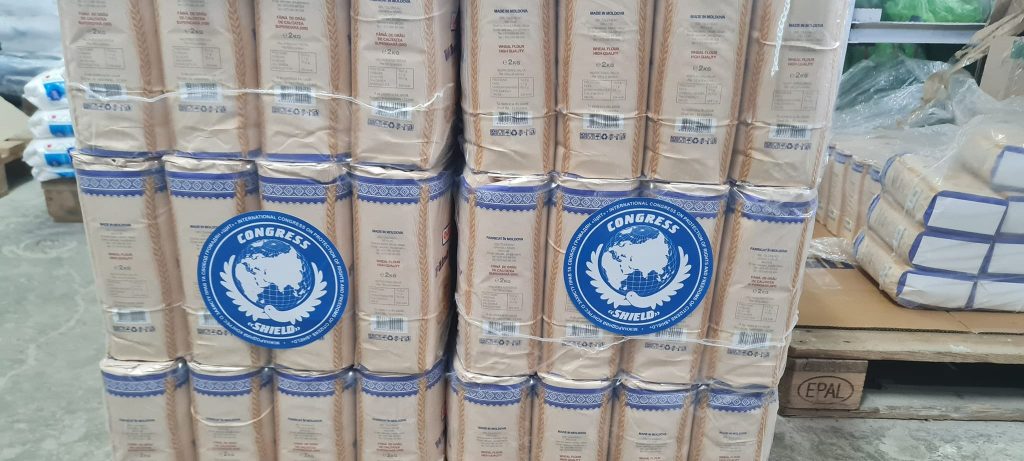
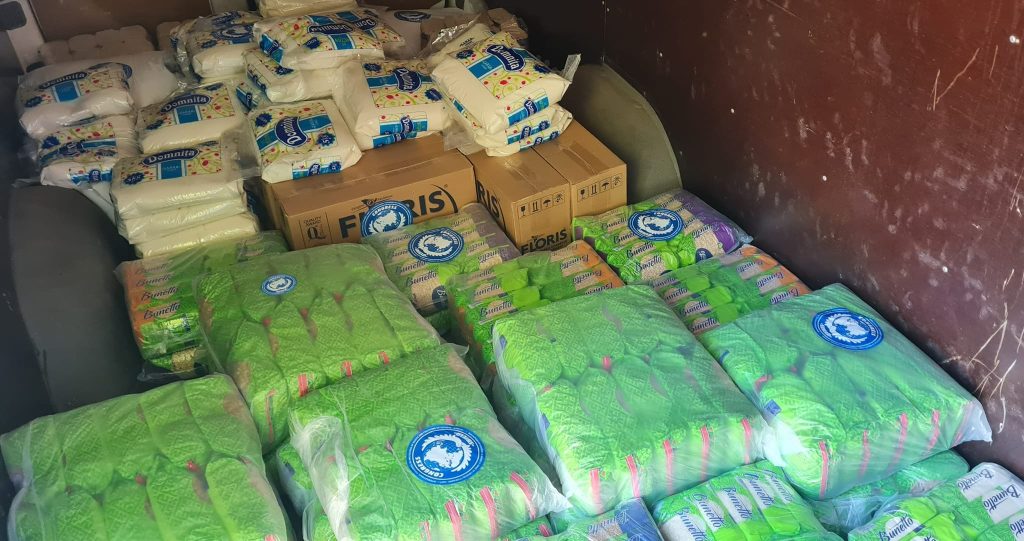
International Congress SHIELD is constantly working to provide emergency humanitarian assistance to all those affected by crises. Part of our humanitarian work involves offering direct aid to children and the elderly by providing essential needs such as food, clean water, shelter, healthcare, and educational support, as well as rehabilitation when required. In this context, the organization also provides psychological support to children and the elderly suffering from the trauma caused by the difficult circumstances they are going through.
Children are the most vulnerable in crisis zones, where they face forced displacement and the loss of their families, exposing them to exploitation and abuse. In addition, the elderly face significant health and social challenges, such as poor health and social isolation, making them in desperate need of direct humanitarian support.
Joint Efforts to Overcome Challenges
Through collaboration with local governments and other organizations, International Congress SHIELD seeks to enhance a swift and effective humanitarian response. These efforts include securing essential supplies and providing suitable living conditions in refugee camps and shelters, focusing on offering direct support to individuals in urgent need.
Humanitarian response in times of crisis requires speed and efficiency in execution. International Congress SHIELD focuses on providing immediate assistance to those most in need. Our primary mission remains to offer relief and humanitarian support during crises, ensuring that aid reaches those who need it most in a timely and efficient manner.
Seeking Partnerships with Businesses and International Humanitarian Organizations
International Congress SHIELD is continuously working to build strategic partnerships with businesses and international humanitarian organizations to expand the scope of our relief efforts and provide more support to vulnerable groups. We believe that collective cooperation can create a significant positive impact and amplify our efforts in tackling humanitarian crises.
We invite businesses and international humanitarian organizations to join us in this crucial humanitarian work by providing resources, participating in relief initiatives, and expanding the services we offer to those in need. Together, we can build a safer, more stable world and provide the necessary support to children, the elderly, and communities during the most challenging circumstances.
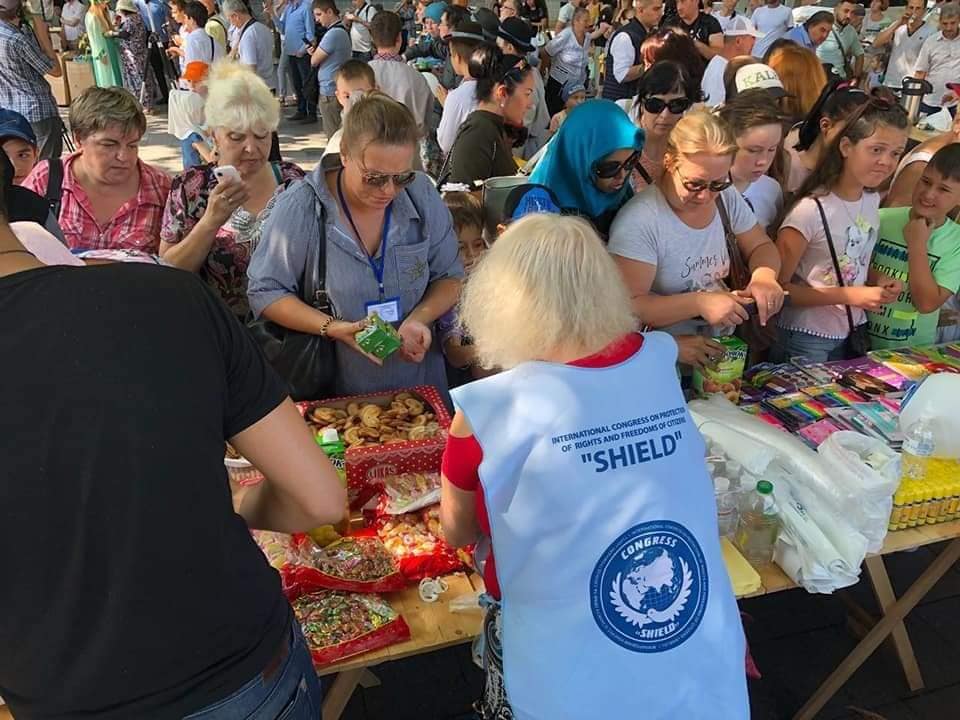
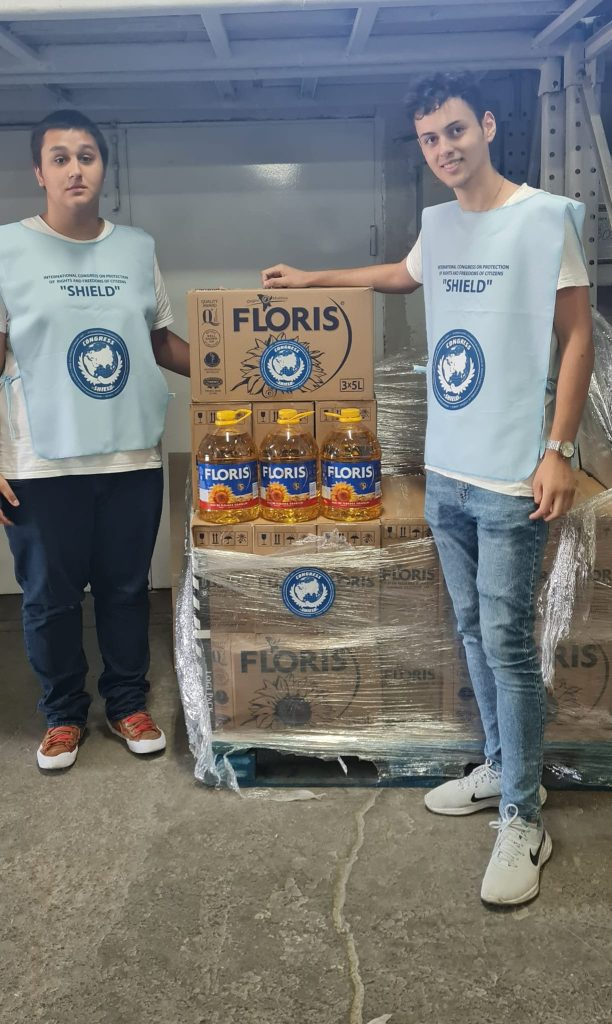

In an era of globalization characterized by the rapid acceleration of international trade, cultural proximity has emerged as a crucial tool for fostering effective commercial cooperation between nations. SHIELD International Organization recognizes that cultural proximity is a strategic step toward strengthening economic and trade relations worldwide. Mutual cultural understanding not only helps break down social and psychological barriers but also creates new economic opportunities that benefit all stakeholders. In this context, the SHIELD International Organization aims to emphasize the importance of cultural proximity as a key factor for achieving sustainable growth and long-term international trade partnerships.
The Impact of Cultural Proximity on Trade Cooperation
- Building Trust Between Partners
Trust is one of the most significant outcomes of cultural proximity in trade relationships. When partners understand and respect each other’s cultures, values, and traditions, cooperation becomes more seamless. This mutual understanding reduces tension, facilitates smoother negotiations, and removes psychological barriers that might hinder decision-making processes. Trust encourages partners to invest in joint projects, ultimately driving long-term economic success. - Expanding Markets and Increasing Investments
Cultural proximity enables businesses to better adapt to the specific needs of target markets, leading to more effective marketing strategies. By understanding cultural preferences and consumer behavior, companies can tailor their products and services to meet local demands. Businesses that invest in understanding local traditions and preferences are more likely to succeed, increasing both product appeal and investment opportunities. - Innovative and Creative Collaboration
Cultural proximity fosters innovation and creativity in business partnerships by enabling the exchange of diverse ideas and perspectives. Collaborative efforts between culturally diverse teams often result in the creation of products and services that cater to multiple market needs. Multicultural collaborations are better equipped to design solutions that address both technological and cultural requirements, enhancing their acceptance across different regions.
Challenges Facing Cultural Proximity in Trade
- Cultural Disparities
Significant cultural differences between countries can create challenges in understanding local markets and building effective business strategies. Divergent values, traditions, and communication styles may create misunderstandings and hinder collaboration. - Lack of Cultural Awareness
Limited cultural awareness among businesses can lead to miscommunication, ineffective marketing strategies, and lost opportunities. Understanding cultural nuances is vital for building trust and fostering successful partnerships. - Language and Communication Barriers
Linguistic and communication differences often pose significant obstacles in international trade. Misinterpretations, ineffective negotiations, and poor translations can hinder progress and strain relationships.
SHIELD International Organization’s Vision
SHIELD International Organization envisions cultural proximity as a cornerstone for enhancing international trade and economic partnerships. The organization believes that sustainable business relationships require deeper cultural understanding and effective communication. SHIELD advocates for cultural exchange initiatives, educational programs, and business networking opportunities to facilitate seamless communication and cooperation among global stakeholders.
Recommendations
Establish Cultural and Trade Exchange Programs: Encourage initiatives that facilitate cultural exchange, including workshops, business forums, and networking events to bridge cultural divides.
Organize International Economic Conferences: Provide platforms for global business leaders to share ideas, explore partnerships, and address trade challenges.
Develop Culturally Competent Business Teams: Invest in training programs that equip business professionals with cultural awareness, negotiation skills, and cross-cultural communication expertise.
Cultural proximity serves as a powerful bridge for strengthening international trade relations. By fostering cultural understanding and mutual respect, nations and businesses can unlock sustainable economic growth and long-lasting partnerships. SHIELD International Organization firmly believes that cultural appreciation and effective communication are the foundation for achieving enduring commercial success on a global scale.

Research Submitted by the International Shield Organization
Introduction
Since its establishment, the International Shield Organization has been committed to defending citizens’ rights and freedoms, striving to shed light on the challenges threatening global security and peace. In this context, this research aims to explore the phenomena of terrorism and extremism from a deep philosophical perspective, focusing on the role of global intelligence agencies in shaping and directing these phenomena to serve their geopolitical interests.
Terrorism and extremism are not merely security or social threats; they are outcomes of complex struggles at the level of human existence, involving political, economic, and intellectual forces. These phenomena reflect the imbalance that occurs when ideologies and identities are exploited by major powers as tools to achieve political goals, necessitating a profound study to understand their dynamics.
Roots of Terrorism and Extremism: The Philosophy of Identity and Marginalization
Terrorism and extremism are not just products of political or economic injustice; they reflect deep gaps in human and cultural identities. Philosophically, extremism can be understood as a tool for defending identity in a world marked by religious, ethnic, and geographical divisions. In these contexts, extremism becomes a reaction against social and cultural marginalization, where individuals or groups adopt radical ideologies as a means to reclaim “lost dignity.”
On both personal and collective levels, extremists believe that their ideologies provide comprehensive explanations for a reality full of turmoil and conflict. In some cases, violence is glorified as a means of rebuilding a world that others perceive as lost or destroyed. This philosophical interpretation illustrates how marginalized groups may adopt violence as a means to restore their place in the world.
The Role of Global Intelligence in Shaping the Phenomenon of Terrorism and Extremism
Global intelligence agencies have played a pivotal role in shaping the phenomenon of terrorism and extremism. These agencies have sought to create crises and exploit chaos to achieve their own agendas.
- Crisis Manufacturing as a Tool of Control: Some intelligence agencies fuel conflicts and ignite unrest within targeted states by supporting extremist groups or funding armed opposition factions. This tactic aims to dismantle state structures and weaken them.
- Using Terrorism as a Pretext for Intervention: Terrorism is often used as a pretext to justify military and economic interventions in resource-rich countries or those of strategic importance.
- Controlling the Course of Crises: By supporting one group over another, intelligence agencies direct conflicts to further their political and economic interests.
- Manipulating Ideologies: Intelligence agencies contribute to shaping and directing the ideological discourse of extremist groups through agents or media platforms.
- Redrawing Geopolitical Maps: The ultimate goal of these interventions is to weaken states and create smaller, warring entities that are easier to control.
Terrorism and Extremism: A Philosophical Crisis in the Concept of Justice
Philosophically, terrorism is linked to the interaction between the concepts of justice and injustice. In societies undergoing complex struggles, trust in political and judicial systems erodes, prompting the adoption of violence as a means of reclaiming stolen rights. Extremism here represents a simulation of a state of hopelessness regarding peaceful solutions, where violence becomes a moral duty to achieve justice in the eyes of individuals.
From a material perspective, terrorism and extremism are not just reactions to injustice but also embodiments of the absence of social justice. Poverty, marginalization, and social discrimination become tools for fueling extremist thought, with those feeling politically and socially excluded exploiting these conditions to challenge prevailing identities and attempt to impose their own worldview.
Media Exploitation: How is Terrorism Highlighted in the Media?
The media plays a crucial role in shaping the stereotype of terrorism and extremism, often directing media coverage to serve political and intelligence agendas. The media is used as a tool to amplify certain terrorist incidents by highlighting specific groups and demonizing them, while ignoring other groups or incidents. Public opinion is often redirected by focusing on particular events to divert attention from more significant issues.
Brainwashing: Strategies for Influencing Public Consciousness
Brainwashing occurs on multiple levels, through systematic media discourse that spreads fabricated or misleading stories about the heroes or leaders of terrorist groups. Digital platforms are also exploited to implant distorted ideas and justify military interventions.
Manufacturing Terrorism as a Pretext for Wars and Military Interventions
Some global powers exploit the phenomenon of terrorism as a tool to justify their wars and military interventions. This is done by creating a common enemy, directing public opinion towards a particular group or state, and portraying them as a global threat.
The Role of the International Shield Organization in Combating the Phenomenon
The International Shield Organization seeks to confront the phenomena of terrorism and extremism through multiple strategies, including:
- Promoting awareness and education to build intellectual resilience among youth.
- Supporting intercultural dialogue initiatives.
- Combating poverty and marginalization through developmental projects.
- Collaborating with international entities to achieve security and peace.
Towards a New Horizon for Peace
Terrorism and extremism are not mere security threats; they are reflections of deep philosophical struggles between justice and injustice, identity and marginalization. Understanding these phenomena requires deep reflection on the factors leading to the spread of violence and calls for serious actions to review geopolitical policies that contribute to their feeding.
The International Shield Organization continues its vital role in spreading awareness and building a culture of peace and coexistence in the face of these grave challenges, striving to promote the values of justice, equality, and working towards a more stable and secure world. Thanks to its continuous efforts, the organization has become a true partner in building safe and peaceful communities.
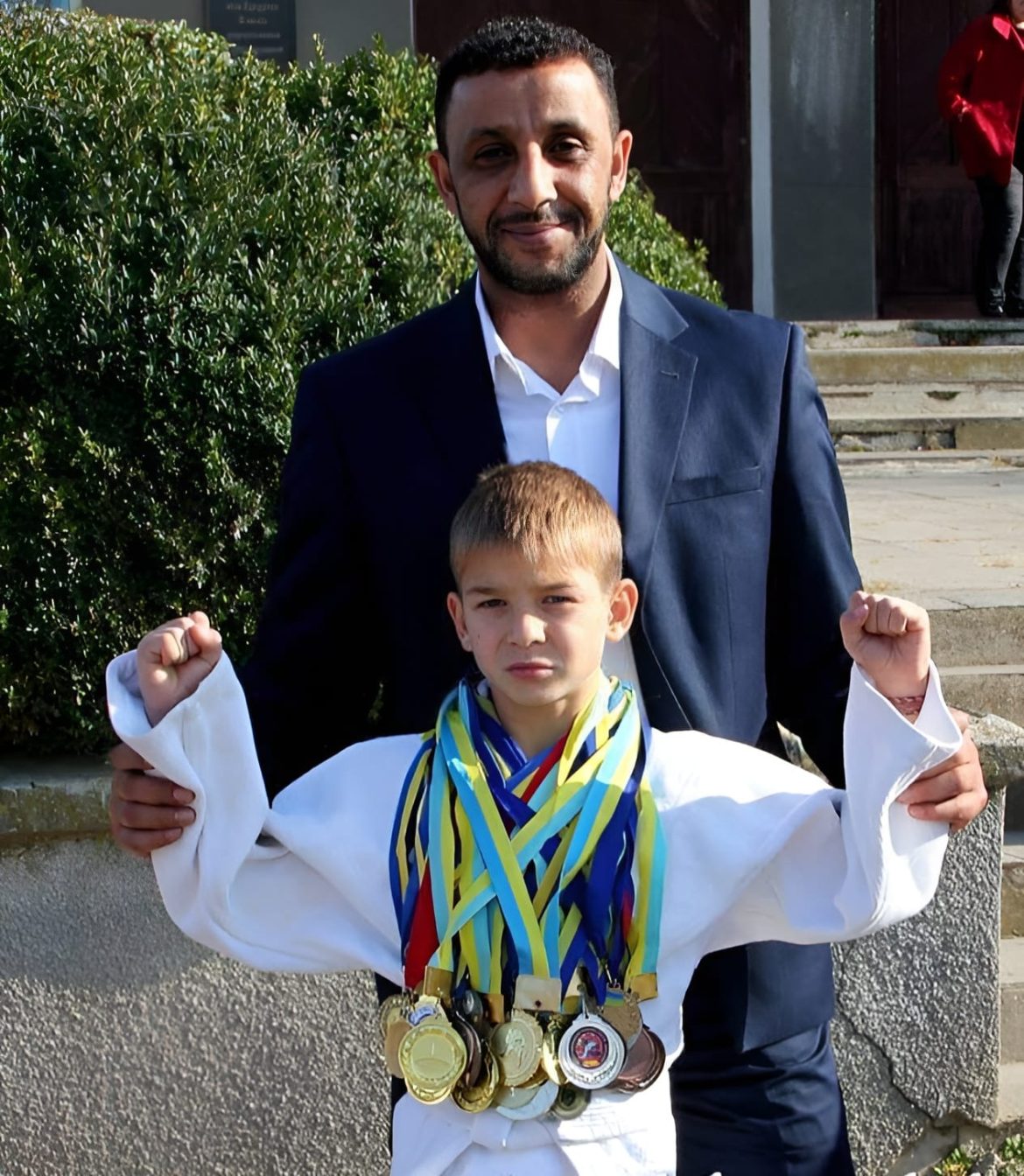
The International Shield Organization: Ongoing Support for the Athletic Success of Ukrainian Children
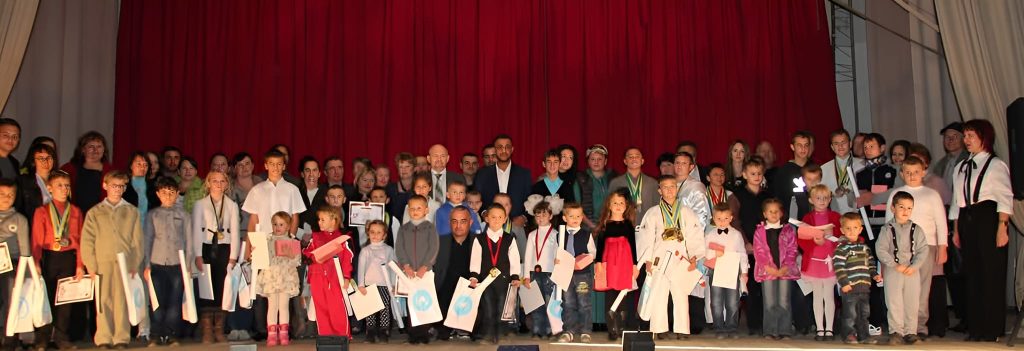
In a group photo from 2013, we are seen with the young athletes who have now become champions of Ukraine in martial arts. This photo stands as a testament to the ongoing support and dedication provided by the International Shield Organization under the leadership of Dr. Saleh Daher.
For over 12 years, the International Shield Organization has been supporting and training Ukrainian children in combat sports, providing them with an exceptional training environment and opportunities for athletic development. This has helped transform these children into athletes who represent Ukraine on the international stage. Today, these young athletes have become champions, proudly representing their country in various global competitions.
This is the goal the organization has always strived to achieve: not just winning championships, but developing and refining athletic talent to become ambassadors for their country in international sports arenas. The International Shield Organization remains committed to supporting and nurturing future generations of athletes who carry the hope of the future and achieve success on the global stage.
Russian aggression against Ukraine is one of the greatest threats to global peace and security, violating the principles of national sovereignty and human rights. Russian military actions, which began in February 2022, continue to this day, leaving behind a massive humanitarian catastrophe and immeasurable suffering for the Ukrainian people.
Aggression and Violation of International Law
Russia’s war against Ukraine constitutes a clear violation of international law and global agreements. Russia has breached the UN Charter, which prohibits the use of force against the sovereignty of other nations, as well as other international agreements ensuring respect for national sovereignty and territorial integrity. The events in Ukraine are not merely a local conflict but a threat to the international system as a whole, demonstrating a disregard for agreements aimed at maintaining global peace and security.
The Role of the International Shield in Combating Aggression
The International Shield was among the first organizations to strongly condemn Russian aggression, describing it as a crime against humanity and a violation of human rights. The organization has documented various crimes and violations committed by Russian forces, including:
- Direct attacks on civilians.
- The destruction of critical infrastructure such as hospitals and schools.
- The forced displacement of millions of Ukrainians both within and beyond the country.
The International Shield has provided urgent humanitarian aid, including food and medicine, and supported global efforts to hold perpetrators accountable in international courts. It has also called for immediate international action to end the war and ensure justice for the victims.
Humanitarian Consequences of the War
Russian aggression has caused a massive humanitarian crisis. Millions of Ukrainians have been forced to flee their homes, becoming refugees in neighboring countries. Additionally, the war has led to severe shortages of food, medical supplies, and energy, worsening the humanitarian situation in Ukraine.
Civilian casualties, the use of prohibited weapons, and heavy shelling of residential areas are crimes documented by international organizations and human rights advocates, marking Russia’s war as a clear violation of international and humanitarian norms.
Escalation of Nuclear Threats
One of the most alarming aspects of Russian aggression is the threat of using nuclear weapons. Constant statements by Russian officials about the potential use of nuclear arms have heightened international tensions and raised fears of the conflict escalating to catastrophic levels, endangering global peace.
International Response
The international community has strongly condemned Russian aggression, imposing unprecedented economic sanctions on Moscow. Additionally, Western countries have increased military and humanitarian support for Ukraine to help it defend its territorial integrity. Efforts are also underway to hold those responsible for crimes in Ukraine accountable, aiming to reinforce the principle of international justice.
Conclusion
Russian aggression against Ukraine poses a grave challenge to international values and the global legal system. Today, intensified global efforts are essential to end this war, which threatens the future of world peace, to hold aggressors accountable, to protect civilians, and to restore Ukraine. This aggression is not merely a military conflict but a test of the world’s ability to uphold the fundamental principles of human rights and international law.

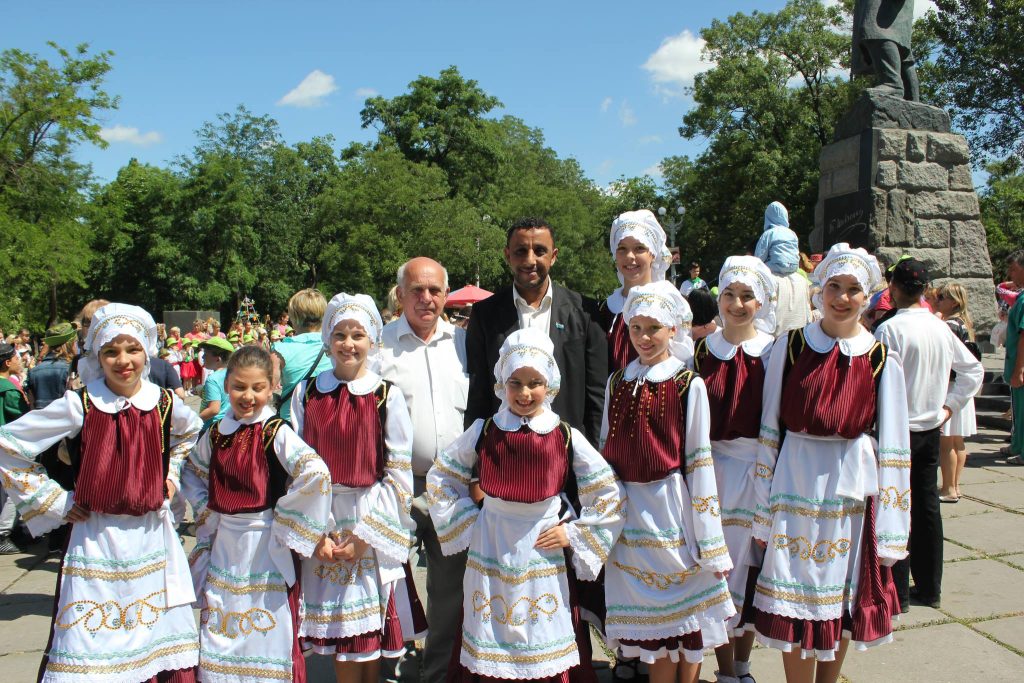
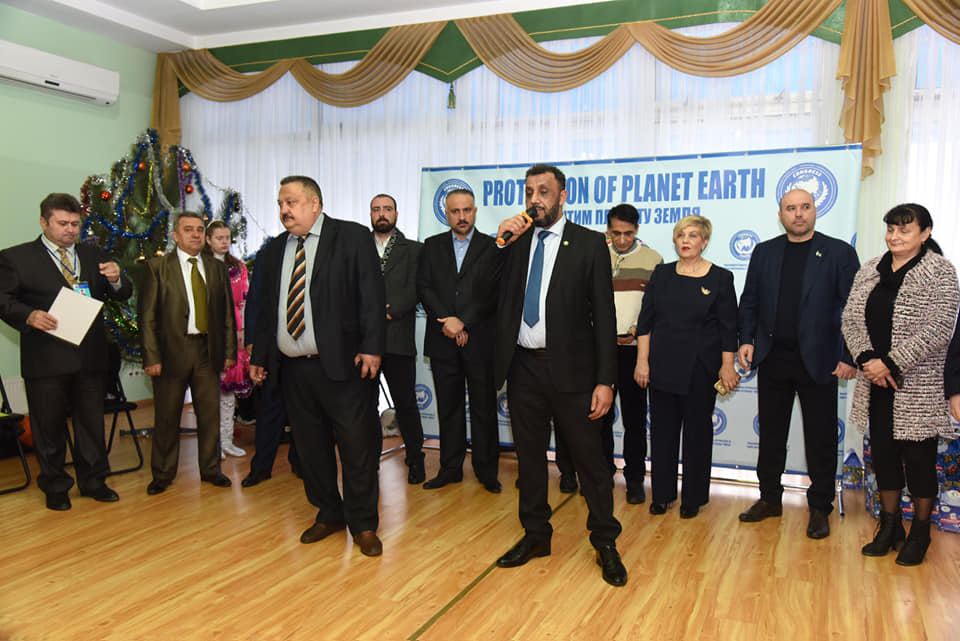
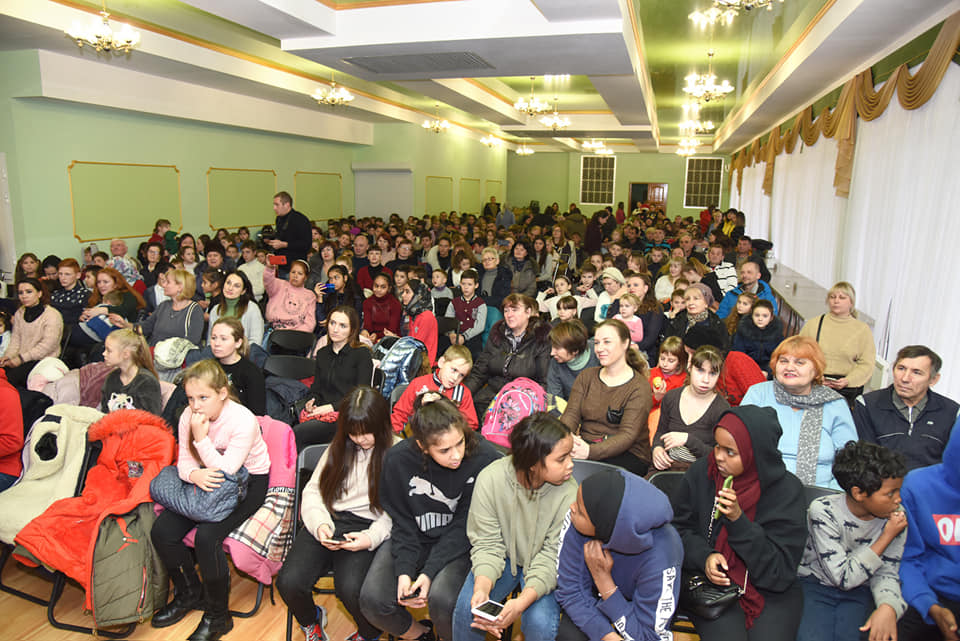
Since its establishment under the leadership of Dr. Saleh Daher, Shield International Organization has been dedicated to supporting and caring for orphaned and disadvantaged children, as they are among the most vulnerable groups in need of attention and care. This is considered one of the core activities and objectives of the organization, which focuses on providing shelter, food, and education to these children, in addition to organizing recreational, touristic, and sports programs aimed at improving their mental well-being and enhancing their skills.
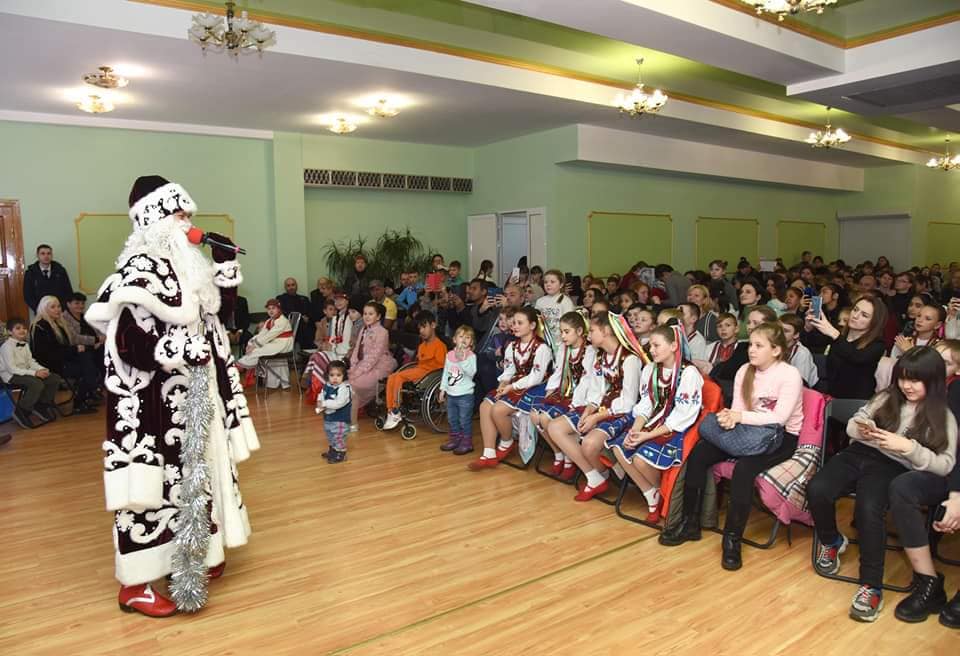
The organization also supports refugee and migrant children by providing educational opportunities, including language learning programs, and helping them integrate into their new communities. Furthermore, Shield International continues to organize various charitable and humanitarian activities in Ukraine, contributing to the support of children and families affected by the ongoing crisis.
These programs include activities such as art and drawing workshops, sports events, recreational trips, and educational programs, which help children overcome the psychological and social challenges they face. These ongoing efforts reflect the organization’s humanitarian mission to build a bright and hopeful future for these children.


Introduction:
Respecting citizens’ rights and preserving their dignity are the foundations of a prosperous and stable society. A balanced relationship between the state and its citizens plays a vital role in achieving development and social justice. This is accomplished through the state’s commitment to its duties towards individuals. In this study, prepared by the International Congress Shield, we highlight the state’s responsibilities, the importance of human dignity, family cohesion, and the role of individuals as active contributors to society.
First: The State’s Duties Towards Citizens
Ensuring Security and Stability:
Providing internal and external security is one of the most important responsibilities of the state. It ensures the safety of citizens from threats and crime while strengthening trust between citizens and institutions.
Achieving Justice and Equality:
- Enforcing laws with fairness and transparency while ensuring equality among all individuals without discrimination.
- Establishing an independent and effective judiciary system that protects everyone.
Healthcare Services:
Providing a comprehensive healthcare system that guarantees citizens access to treatment and preventive care.
Education:
Offering quality, accessible, and affordable education for all, with a focus on curricula that promote human and national values.
Basic Services Provision:
Securing infrastructure and essential services such as water, electricity, transportation, and communications.
Promoting Economic Development:
Supporting small enterprises, creating job opportunities, and boosting the local economy to ensure a decent standard of living for all.
Protecting Rights and Freedoms:
Safeguarding freedom of opinion, thought, belief, and the right to a dignified life.
Preserving Human Dignity:
Protecting human dignity in all fields by ensuring no individual is subjected to humiliation or mistreatment and is treated with respect and consideration.
Second: Upholding Human Dignity and Empowering Citizens as Key Contributors
Enhancing Human Dignity:
Respecting individuals as unique entities and elevating their status to ensure they feel valued in society.
Protecting Fundamental Rights:
Ensuring human rights to live freely and with dignity, combating any discriminatory or abusive practices.
Abolishing All Forms of Subjugation:
Eliminating torture and degrading treatment, whether within official institutions or informal settings.
Providing an Environment that Encourages Creativity:
Creating an environment that allows individuals to express themselves freely and work with dignity, enhancing their role in societal development.
Fighting Poverty and Unemployment:
By offering decent job opportunities and helping individuals achieve self-sufficiency.
The Impact of Dignity on Society:
- Boosting self-confidence and creativity among citizens.
- Increasing productivity and positive contributions to development.
- Promoting a culture of respect and tolerance among individuals.
- Strengthening national belonging and readiness to serve the community.
Third: Maintaining Family Cohesion and Its Importance in Society Building
The Importance of Family in Society:
The family is the cornerstone of individual and societal development, instilling moral and human values in its members.
The State’s Role in Supporting Family Cohesion:
- Implementing policies that support family stability, such as parental leave and economic assistance.
- Offering counseling services to address family challenges.
The Family’s Role in Society Building:
- Promoting dialogue among family members to resolve conflicts and increase mutual understanding.
- Teaching children the values of respect, tolerance, and positive engagement.
The Impact of Family Cohesion on Society:
- Achieving social stability and reducing issues like violence and crime.
- Strengthening national identity and community belonging.
- Producing responsible generations capable of contributing to development.
Fourth: The Impact of State Fulfillment of Duties on Society’s Progress
Achieving Social Justice:
Providing equal opportunities for all reduces social disparities and fosters stability.
Stimulating Comprehensive Development:
By securing education and healthcare, the state empowers individuals to actively participate in development efforts.
Fostering National Belonging:
A citizen whose rights are respected becomes more loyal and dedicated to their nation.
Promoting Social Peace:
Family cohesion and the protection of human dignity create an environment that enhances peace and cooperation.
Conclusion:
The state’s commitment to its duties towards citizens is the cornerstone of a stable and prosperous society. By preserving human dignity, fostering family cohesion, and combating all forms of humiliation or discrimination, societies can achieve sustainable and comprehensive progress. The relationship between the state and its citizens must be based on mutual respect, with each party fulfilling their responsibilities to create a strong, cohesive society capable of overcoming present and future challenges.
International Congress Shield
Introduction
Amid contemporary global challenges, particularly concerning media manipulation and moral deviations, the International Shield Organization, led by Dr. Saleh Muhamed Daher, emerges as a pioneering force in the battle for awareness. The organization aims to protect communities, especially youth, from these dangers through awareness and education programs that seek to rebuild human and civilizational values.
The Role of the International Shield Organization in Promoting Global Awareness
The organization adopts a comprehensive approach to address issues related to media misinformation and moral deviation through:
- Comprehensive Awareness
The organization provides educational and media programs that focus on enhancing the critical thinking abilities of youth to analyze information and distinguish between what is true and what is false. - Promoting Social Responsibility Culture
It promotes the values of positive citizenship and fosters social solidarity through initiatives that connect individuals to their communities. - Promoting Humanitarian Principles and Values
The organization collaborates with educational institutions to spread values of respect, tolerance, and equality. It also organizes campaigns and initiatives to instill principles of cultural dialogue and peaceful coexistence among diverse cultures. - Preserving Noble Cultural and Human Heritage
The organization highlights the importance of cultural heritage as a key factor in building identity and strengthening belonging. It launches initiatives to protect heritage from destruction and neglect, educating young people about the significance of preserving it as part of human civilization. - Enhancing Initiative and Family Education
Focusing on the importance of family cohesion as a cornerstone of a healthy society, the organization launches educational programs that support family relationships and encourage positive parenting that instills values of respect and cooperation within the family. - International Cooperation
Building partnerships with international organizations and educational institutions to spread awareness of ethical values and promote human rights.
The Impact of Misinformation and Moral Deviation on Society
- Media Misinformation
The spread of false news threatens societal stability, fuels conflicts, and leads to a loss of trust in institutions and increased divisions. - Moral and Social Deviation
The erosion of traditional values contributes to family breakdowns and rising crime rates, negatively affecting social cohesion and stability.
International Shield Organization’s Initiatives to Promote Truth, Justice, and Humanitarian and Civilizational Values
- Enlightened Media Campaigns
Raising awareness via social media platforms and traditional media about the dangers of misinformation while spreading a culture of critical thinking and source verification. - Workshops and Training Programs
Developing youth skills to counter media manipulation and use technology positively, promoting dialogue and respect for cultural and social diversity. - Promoting Ethical and Civilizational Education
Collaborating with educational institutions to integrate ethical and humanitarian principles such as justice and tolerance into curricula. The organization also launches online programs that promote human values and foster critical thinking skills. - Preserving Cultural and Civilizational Heritage
Organizing events and exhibitions to introduce cultural and human heritage, encouraging new generations to take pride in their history and work on protecting it and passing it on to future generations. - Enhancing the Role of Family and Community in Education
Launching initiatives that support the family as the fundamental unit for transmitting values and principles, providing courses and workshops for parents to enhance positive parenting and equip them to face modern-day challenges. - Countering Media Misinformation
Supporting independent journalism and establishing platforms focused on fighting fake news.
The Role of Governments, Local Authorities, International Organizations, and Civil Society in the Battle of Awareness
The battle for awareness cannot be limited to the efforts of the Global Shield Organization alone; it requires a collective effort among various stakeholders:
- Governments and Local Authorities
Governments must adopt media and educational policies that contribute to enhancing critical thinking and protecting communities from misinformation. They should work on increasing transparency in information dissemination and implement laws that combat media manipulation and moral deviation. They must also support initiatives that preserve cultural heritage and promote family and community cohesion. - International Organizations
International organizations should provide the necessary support to raise awareness about human rights and humanitarian values through awareness programs and global workshops. They should also cooperate with governments and academic institutions to develop educational systems that encourage critical thinking and promote human values. - Civil Society Organizations
Civil society organizations must play a central role in reaching individuals and equipping them with tools to combat misinformation and promote ethics. They should launch awareness initiatives that support youth and families in enhancing social belonging and preserving cultural heritage.
The Role of Youth in the Battle of Awareness
Youth are the cornerstone of combating misinformation and moral deviation:
- Empowering Them: Engaging them in leading community initiatives to raise awareness.
- Enhancing Critical Thinking: Teaching them how to distinguish between truth and falsehood and encouraging scientific discussions about pressing issues.
- Encouraging Positive Creativity: Motivating them to use media to spread humanitarian and civilizational values.
The Vision of the International Shield Organization: Toward Building an Aware Generation Committed to Civilizational Values
- Individual Responsibility
Every individual has a role in combating misinformation through community participation and spreading positive awareness. - Institutional Responsibility
Institutions must adopt policies that enhance transparency and fight misinformation and moral deviations. - Promoting Humanitarian and Civilizational Values
Fostering human solidarity through campaigns that support marginalized and vulnerable groups while instilling values of respect, equality, and coexistence among individuals and communities. - The Family as the Core of Society Building
Supporting family cohesion and activating its role in transmitting positive values to future generations.
Conclusion: Awareness and Human Values as the Foundation for Building the Future
The International Shield Organization strengthens the battle for awareness as a cornerstone for building stable and prosperous communities. By promoting humanitarian values, preserving cultural and civilizational heritage, and supporting family cohesion, the organization affirms that ethics and shared humanity are the foundations through which major challenges can be confronted. Through its diverse initiatives, the organization offers a leading model for building an aware generation committed to civilizational values capable of driving positive change toward a better future for all.
The Vision of the International Shield Organization on Freedom and Independence
The study by Dr. Saleh Muhamed Daher, President of the International Shield Organization
Introduction
At the dawn of creation, humanity lived freely, without restrictions or borders. Life was simple, in alignment with nature, free from the complexities imposed by society later on. Freedom was humanity’s initial state, the essence of its existence, and the foundation of its experience. Over time, however, this freedom changed due to social and political developments, raising profound philosophical and legal questions. Today, the issue of human freedom extends beyond individuals, encompassing entire societies and nations, whose freedoms are increasingly restricted or taken away by external powers.
In this context, the International Shield Organization emphasizes that human freedom, whether for individuals, societies, or nations, is a fundamental right that cannot be relinquished. The organization believes that true independence primarily depends on respecting human freedom and dignity as essential pillars for achieving justice and equality.
Freedom: From the Individual to Society and the State
Individual Freedom: Between Nature and Constraints
In its natural state, humanity was completely free, driven by instinct and basic needs. Actions were unhindered by laws or systems. However, as societies evolved, the need for laws and norms emerged to organize relationships and preserve security, often at the cost of absolute freedom. Today, individuals’ freedoms are often taken away in various ways, such as repressive regimes that limit freedom of expression or economic pressures that reduce a person to just another cog in society’s machine.
Freedom of Societies: Preserving Identity
Like individuals, societies also require freedom to thrive. However, social freedom is often subject to both internal and external constraints. Totalitarian systems may suppress cultural and religious diversity within a society, while external agendas may lead to the erosion of a society’s sovereignty over its cultural and social choices.
Freedom of States: Between Sovereignty and Intervention
At the level of nations, freedom means full independence and sovereignty over both internal and external decisions. However, external interventions, whether political, military, or economic, pose a significant threat to this freedom. Neo-colonialism, in its various forms, restricts the freedom of developing countries, turning them into subordinates of major powers.
External Intervention in the Affairs of Nations and Peoples: Taking Away Freedom and Independence
One of the greatest challenges facing human freedom today is external intervention in the internal affairs of countries and peoples, which includes:
- Military Intervention: Wars and armed interventions justified by the need to protect human rights or spread democracy often end up destroying freedoms rather than protecting them.
- Political Intervention: Supporting coups or imposing puppet governments to serve the interests of external powers.
- Economic Colonization: Using international loans with harsh conditions that strip countries of their sovereignty.
The Role of Forces of Evil and Oppression in Denying Freedom and Human Dignity
In the face of human aspirations for freedom and dignity, the forces of evil and oppression stand as the greatest obstacles. These forces seek to entrench their control through various means aimed at subjugating individuals, societies, and nations for their own benefit:
- Manipulated Media: Controlling the media is one of the most dangerous tools used by oppressive regimes to shape public opinion, manipulate information, spread fake news, and create societal divisions that weaken resistance.
- Unjust Economic Systems: Economic colonization through tools such as conditional international loans and control of global markets is another method of subjugation. These systems:
- Impose economic policies that serve the interests of powerful nations at the expense of the independence of others.
- Exploit natural resources, depriving nations of the benefits of their own wealth.
- Keep people impoverished, distracting them from fighting for their rights.
- Political Repression: Oppressive regimes rely on political systems that stifle freedom of expression, arrest dissenters, and use emergency laws to justify human rights violations.
- Cultural and Religious Identity Destruction: Through the suppression of cultural and religious diversity, these forces attempt to erase national identities, replacing them with artificial ones that serve their purposes by:
- Imposing foreign cultures that weaken social cohesion.
- Exploiting religious and sectarian divisions to fragment societies.
- Destroying cultural heritage and national values.
- Educational Manipulation: Education is a gateway to awareness and liberation, so oppressive regimes target it by distorting curricula and diminishing its role in critical thinking and building free minds. Through controlled educational systems:
- Fear and blind obedience are instilled in young minds.
- Subjects that promote critical thinking and human rights are eliminated.
- A generation is shaped to rely on the ruling systems rather than their own judgment.
- Military Force: The use of military force through wars and occupations is another clear form of oppression, where military power is used to:
- Destroy infrastructure and seize resources.
- Suppress populations and kill the spirit of resistance.
- Impose political systems that serve the interests of external forces.
Freedom as the Foundation of Independence and Human Dignity
Freedom is not just an individual demand; it is the foundation upon which the concept of independence and human dignity rests. At all levels:
- At the individual level, Freedom is the ability to make personal decisions without fear or oppression.
- At the societal level, Freedom is about preserving cultural and religious diversity and respecting differences.
- At the state level, Freedom means sovereignty over national decisions without subjugation to external forces.
The International Shield Organization affirms that achieving independence and dignity begins with respecting these fundamental freedoms, stressing the need to create an international environment that protects the rights of individuals and peoples from external intervention and domination.
The Struggle for Awareness: Freedom Starts with Consciousness
Achieving freedom is not just a legal or political demand; it is, at its core, a struggle for awareness. Individuals and societies must understand that freedom is an inherent right that cannot be bargained away. In this regard, the International Shield Organization calls for:
- Promoting a Culture of Freedom: Spreading education and social awareness about human rights.
- Breaking Intellectual Constraints: Overcoming the repression imposed by authoritarian systems or manipulated media.
- Community Empowerment: Supporting initiatives that strengthen the independence of individuals and communities at intellectual, economic, and social levels.
The Vision of the International Shield Organization on Freedom and Independence
The International Shield Organization considers freedom to be the cornerstone of human dignity. It believes that achieving true freedom for individuals, societies, and states requires:
- Eliminating all forms of discrimination and oppression, whether political, economic, or social.
- Enhancing international cooperation to support human rights and respect for state sovereignty.
- Combating modern-day colonization in all its forms, whether political or economic.
- Protecting human dignity as the foundational pillar of any just and independent society.
Conclusion: Freedom Is an Ongoing Struggle
Human freedom, whether at the level of the individual, society, or state, is not just a legal demand but the essence of human dignity. It is an ongoing struggle at all levels, requiring awareness, cooperation, and collective action to safeguard it from any threats aimed at taking it away.