

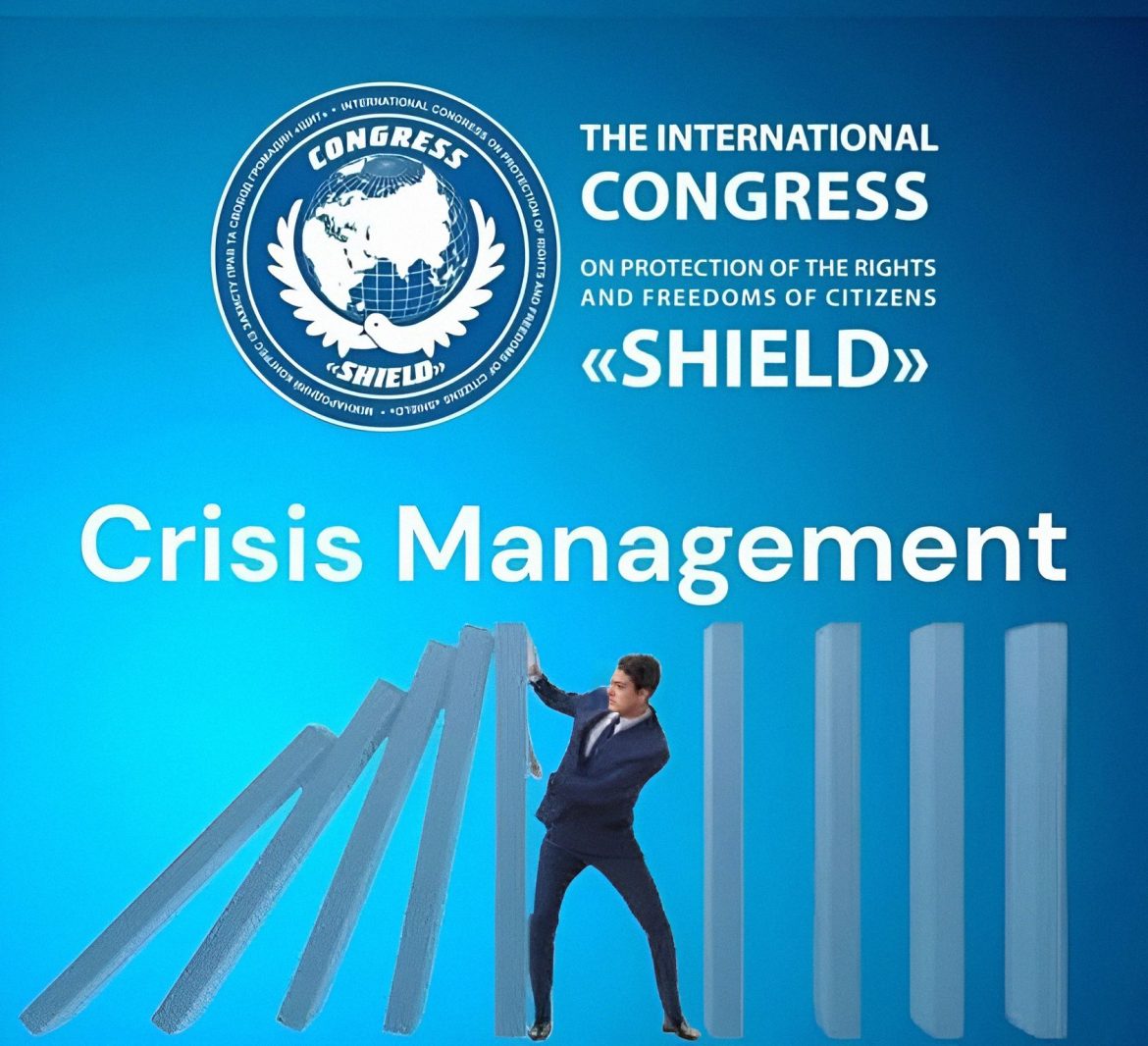
Crisis and Disaster Management and the Role of the International Shield Organization in Education and the Battle for Awareness
Crisis and disaster management have become major challenges facing societies and nations, whether these crises are natural—such as earthquakes, floods, and hurricanes—or man-made—like armed conflicts, economic crises, and epidemics. Successfully overcoming these crises does not rely solely on immediate responses but requires a long-term vision based on spreading awareness, education, and developing preventive strategies to protect communities from falling into or worsening these crises.
Crisis Management: More Than Just a Reaction
Crisis management is not merely a reaction to emergency events; it is a comprehensive process that starts with proactive planning, risk management, and building communities capable of facing challenges with awareness and efficiency. Effective crisis management requires a deep understanding of the root causes of problems and working on raising awareness and educating the public to prevent crises or mitigate their effects.
Types of Crises and Disasters
Natural Crises and Disasters
These crises occur due to natural forces that humans cannot always control or predict, such as:
Earthquakes: Result from tectonic plate movements beneath the Earth’s surface.
Floods: Caused by heavy rainfall or rising water levels in rivers.
Hurricanes: Form due to temperature and humidity differences in oceans.
Wildfires: Can be triggered by dry weather conditions or irresponsible human activities.
The main challenge with natural disasters lies in the limited ability to control or predict them. However, their impact can be reduced through prevention programs, awareness campaigns, and proper preparation.
Man-Made Crises and Disasters
These crises arise due to human activities and include:
Wars and Armed Conflicts: These destroy infrastructure, displace populations, and exacerbate societal suffering.
Economic Crises: Such as financial crashes or economic collapses, leading to extreme poverty and declining living standards.
Environmental Pollution: Stemming from over-industrialization, water, air, and soil pollution, which threatens both the environment and human health.
Epidemics and Diseases: Often resulting from poor healthcare management or lack of preparedness for health emergencies.
Man-made crises are more predictable if early warning signs are recognized. They can be addressed through proper government policies and strengthened international cooperation.
The Role of the International Shield Organization in Promoting Awareness and Crisis Management
The International Shield Organization focuses on awareness and education as key tools to tackle crises and disasters. Through awareness campaigns, educational programs, and intellectual initiatives, the organization works to build a generation capable of understanding risks and making informed decisions to protect themselves and their communities.
Community Awareness Promotion
The organization plays a crucial role in fostering a culture of awareness about humanitarian issues, human rights, and the importance of peace and coexistence. Many crises arise from a lack of awareness or misinformation. Therefore, the organization actively spreads accurate information and combats fake news, which can worsen crises.
Supporting Education as a Means to Confront Crises
Education is one of the most powerful tools in crisis response, helping build resilient communities. The International Shield Organization supports education by promoting its importance and advocating for curriculum development to include critical thinking, crisis management, and conflict resolution skills. Education goes beyond schools and universities—it encompasses continuous learning that equips individuals to handle crises with awareness and responsibility.
Strengthening Dialogue and Understanding Between Nations
One of the main causes of crises and conflicts is the lack of dialogue and misunderstanding between cultures. The International Shield Organization believes in the importance of building bridges of communication among nations and promoting a culture of peace, tolerance, and international cooperation. Through seminars, conferences, and events, the organization raises awareness about the significance of dialogue as a means to resolve conflicts and prevent crises.
The Battle for Awareness: The Strongest Weapon Against Crises
Crises don’t only stem from natural disasters or political decisions but also from ignorance, media misinformation, and a lack of risk awareness. Therefore, the battle for awareness is fundamental in building strong societies capable of confronting crises wisely.
The International Shield Organization aims to enhance awareness by:
Combating Fake News: Countering misinformation that spreads fear and chaos.
Promoting a Culture of Responsibility: Educating individuals on their role in protecting their communities from crises.
Empowering Youth: Encouraging young people to think critically and actively participate in social issues.
Crisis management is not just about emergency measures; it is a continuous process that requires awareness, education, and strategic planning. The International Shield Organization plays a vital role in this field by spreading awareness, promoting dialogue, and supporting education as key tools to face crises. Building a more stable future depends not only on governments and institutions but also on genuine community awareness, where every individual becomes a partner in creating a safer and more sustainable world.